
Studio Sejauh: The Color the Earth Keeps, Rooted with Shibiru
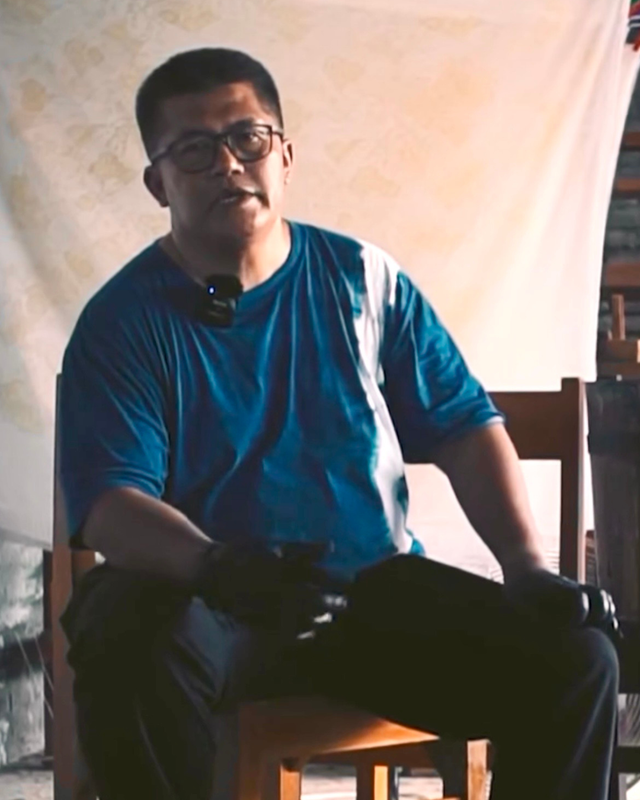
Indonesia is rich in natural materials that carry color. Plants and minerals have long offered dye to textile traditions across the archipelago, not only as aesthetic elements but as a form of knowledge, one that understands material as something safe for the body and in conversation with the earth.
Plant-based dye is never entirely uniform. The color it produces depends on the plant variety, the age of the crop, the condition of the soil, and the moment of harvest. Each variable shapes a character that cannot be fully replicated. This is not a limitation. It is what makes plant-based dye honest: the relationship between nature, time, and human practice is visible in the cloth itself.
As synthetic dyes came to dominate the fashion industry, plant-based dye faced a quieter kind of pressure. Its value lies in its uniqueness, but that uniqueness requires ongoing creative attention. Without continued exploration in design and craft, interest can fade. What was once common knowledge slowly becomes rare.
A Practice We Return To

From the beginning, Sejauh Mata Memandang has chosen plant-based dye as part of a circular and restorative approach to clothing. Each piece is made with care for the relationship between daily life and the natural world. Circular clothing is not only about reducing harm. It is also about returning something to the earth, and tending to what we have taken from it.
This shapes how we choose materials: grown responsibly, capable of absorbing carbon, and able to return to the soil at the end of their life. It also extends into our forest restoration initiatives, where each clothing purchase contributes to the renewal of natural ecosystems.
From a Single Plant in Temanggung

Sejauh Mata Memandang collaborates with Cusia by Shibiru, a product line grown from a small enterprise founded by Fatah Syaifur Rochman, known as Ipung, in Temanggung, Central Java. Cusia by Shibiru works with local artisans to develop fashion and craft products rooted in natural fiber and dye. The indigo produced from Strobilanthes cusia gives each piece its distinctive, living color.
Strobilanthes cusia is a plant from the Acanthaceae family, found across South Asia, China, and Indochina. It has historically been used both as a source of indigo dye and in traditional medicine. In Temanggung, its cultivation began in 2016 when Ipung started growing the plant at home, experimenting with what one small crop could become. From that first plant, he shared seeds with farmers across the Wonoboyo area and along the slopes of Mount Prau.

Over time, what began as a personal experiment grew into a collaborative network involving around 179 farmers across tens of hectares. Strobilanthes cusia is intercropped beneath coffee and guava trees, allowing farmers to harvest from multiple sources on the same land. Once harvested, the plants are fermented in water without chemical additives, then processed into paste and powder. The production waste can be returned to the soil as organic fertilizer, completing a cycle that gives back as much as it takes.
Shibiru does not stop at dye production. Through Cusia by Shibiru, it has built a collaborative space that brings together young makers and local artisans to develop clothing and craft products defined by indigo's quiet, distinctive blue. This openness to exchange has allowed knowledge and craft practice to grow at a local level, while reaching makers in Malaysia, Japan, Australia, and the United States.
Where Tradition Meets the Present

Designers today are asked to hold two things at once: the need for what is new, and the responsibility to stay connected to what has been passed down. Natural indigo, long present in the textile traditions of the archipelago, offers a way through this. It is a dye with proven depth and longevity, one that carries history without being bound by it.

Our collaboration with Cusia by Shibiru is an attempt to understand what that means in practice. Through plant-based dye, textiles become more than an aesthetic medium. They become a meeting point between people, materials, and knowledge that moves across generations. The cloth is not simply a product. It is part of a longer journey from field to loom, one that can be traced, told, and trusted.
Every day is Earth Day.



0 Comments
There are no comments for this article. Be the first one to leave a message!